
Making new work every month
Quantity and quality, goals for 2026

Happy new year, folks! May you have a wonderful and joyful beginning to 2026.
Most people fall off of their new year resolutions and goals pretty early on in the year. In late 2024, I started going to the gym to try to get a head start on getting more exercise. I was going in very early in the morning, around 5 a.m., and to my surprise, there were still plenty of people there. I continued for about two to three months of this, including January, hold for the holidays where I wasn’t in down. It felt good, it felt like I was onto something and was bettering myself — and beating out the “resolutioners” at the gym, both by starting early and by going so godforsaken early every other day. But, by February, things changed. My partner and I moved into a new apartment in a nicer part of town and I was much further away from the gym I went to. It wasn’t practical for me to drive to the other side of town to run for 30 to 40 minutes and back while still having time to get ready for work. I wound up cancelling that gym membership (and not without trouble, as gym memberships go), telling myself I would continue running in my new neighborhood.
That didn’t happen!
Alas, I did wind up finding a more enjoyable exercise method of biking. I bought a new-used bike, that wound up being the exact same model my dad has, and started going for rides on various bike paths in my area. While the amount of rides I went on was relatively low, every time I felt great. Biking for 10 to 15 miles every couple of weeks was more exercise than I had been getting for years prior. Much like having a car you like, by having a bike or workout tool that you like will make it more enjoyable, it will make you want to go exercise.
The same thing goes for photography, who would have guessed. They always say to get the camera that’s right for you and you’ll always enjoy making work. That’s not the subject of today, but worth mentioning.
Exercise is not just about your body — it’s also about your mind. For 2025, I set an art practice goal of making new work every month of the year. The idea was to keep myself accountable and make sure that I’m always challenging myself to try new things, go to new places, and go to old places, too. I kept the “rules” simple — I just needed to make new images with intention within every calendar month. The only month that nearly got away was August, scraping by on August 31 when my partner and I went to Vermont for a day.
By having this goal of making new work every month, it kept me accountable. It kept me looking at Google Maps and sketching in my notebook for places and ideas to photograph. It kept me active, seeing how I can push my work and consider what makes the most sense to make in the moment. It was exercising my creative muscles, making sure they don’t atrophy (perhaps, burn out, too). This year, March was my most productive month by a landslide. I’ve found that Spring is a very high productivity time, between March and May, and this year was a testament to that. I also found that the late summer was difficult to really make work, especially August as mentioned earlier, and into September. As November arrived, I didn’t actually go out to make any work in the world, but rather set up a small backdrop to make photographs in my studio space at home. Come this month, December, and I have already gone out about two or three times to make new work, finishing the year strong.
However, there was one drawback to this goal, something that I feel I was aware of but didn’t really care much to address. The nature of this goal is quantity, simply to make work, with intention, in every calendar month of the year, and thus, despite the intention rule, I was still mainly looking to meet a quota.
Granted, much of the work I made this year is work I’m happy with. I made strides in my primary projects and tried out new ideas. I got out to photograph new places just as much as photographing familiar ones. Even a short trip to Illinois scratched the itch of photographing the cornfields. I have just over 600 images from this year alone to work with.
Photographers are more hunter-gatherers than anything. Sometimes you bring back game that will keep you fed for months to years, sometimes it’s only enough to satisfy the day. I know I keep bringing up this quote in so many posts, but Tim Carpenter’s “gathering materials” process is really such a solid way to look at this process. This year, 600 images in my basket makes for a fruitful bounty, with what I feel are a handful of strong images that I’ll be working with for a while.
The quantity versus quality debate is always at large in the Art World. I even find this seeping into my personal life when listening to music. I use Last.FM to track my listening, especially as its year-end review of your listening actually uses the calendar year rather than some weird timeline that Spotify and Apple use. I found myself checking Last.FM so often to see if I beat out last month or last week’s listening time and it started to make my relationship with music less about the actual art and more about…meeting a quota. So, while keeping my Last.FM profile, I deleted the bookmark, I deleted the app, I just let the music listening ride out and really try to engage with the songs and albums the way I used to. This very thing applies to my art practice.
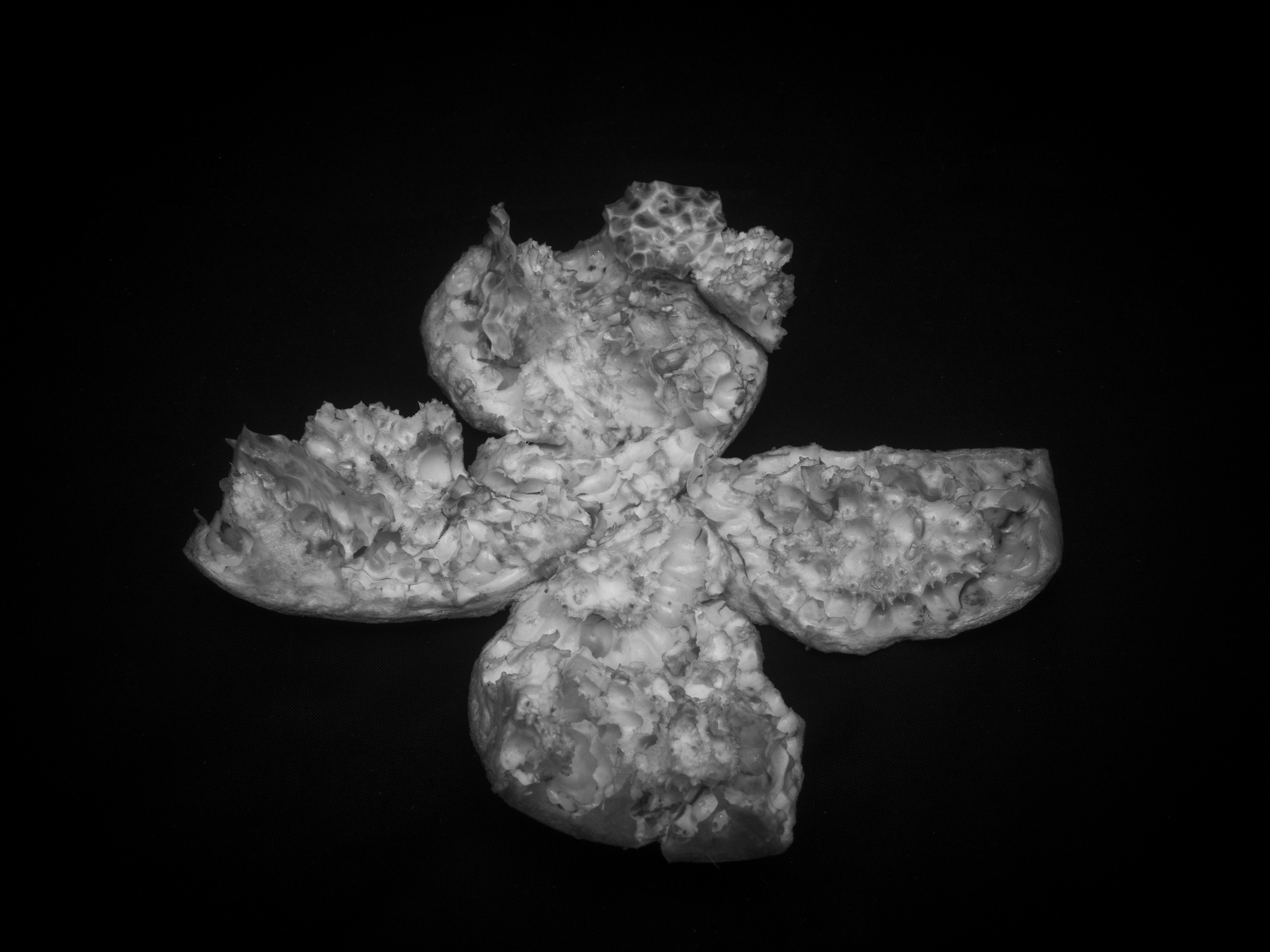
For 2026, I want to really spend more time on intentional work, and not have the specific goal of making work every month. Instead, I want to continue deeper research, see what ways I can physically push my practice. Print more, mess around with those prints more, make zines more often, even if just for myself. When I go to a place to photograph, I want to spend more time thinking about why I chose this place to photograph and not just simply photograph it because it’s a landscape I like. Perhaps figure out why I like that landscape, that subject, and so on. These are not things that I will necessarily know in the moment of making an image, so there’s still a need to photograph anything that catches my attention such that I can figure it out later.
Additionally, I want to re-shoot work more. I remember in undergrad that one of the biggest lessons that was brought up throughout the classes is the re-shoot. My professor Bill O’Donnell would often remind us of this when in mid-way critiques, and sometimes even final critiques. He would let us know when an image is promising, but not quite there, and thus, needed to be re-shot. In an interview with Small Photobook Cult, Courtney Allen was talking about the process of her making Splendor before being published with Deadbeat Club. She mentioned one piece of feedback about spending more time at a place when she’s photographing it. She had historically just made one or two images of a place and left. Once she applied this feedback and spent more time in locations, taking more pictures at and of a place, there was so much more to think about.
With Courtney Allen’s work in mind, it’s a reminder that re-shooting can be done in the moment. You can re-shoot a subject while you’re still there (and of course, this is easier on digital since you can see the image right away). You may walk around, shoot a handful of pictures, then see a previous scene you photographed in a new angle, new light, and so on. Re-shooting doesn’t have to be going back to the studio, looking at the work, seeing issues to address, and going back out another day. If you’re at a location or in a photoshoot where you are being attentive and intentional, you can re-shoot right then and there. Caution to the wind with your limited film — if you can afford to bring more rolls with you.
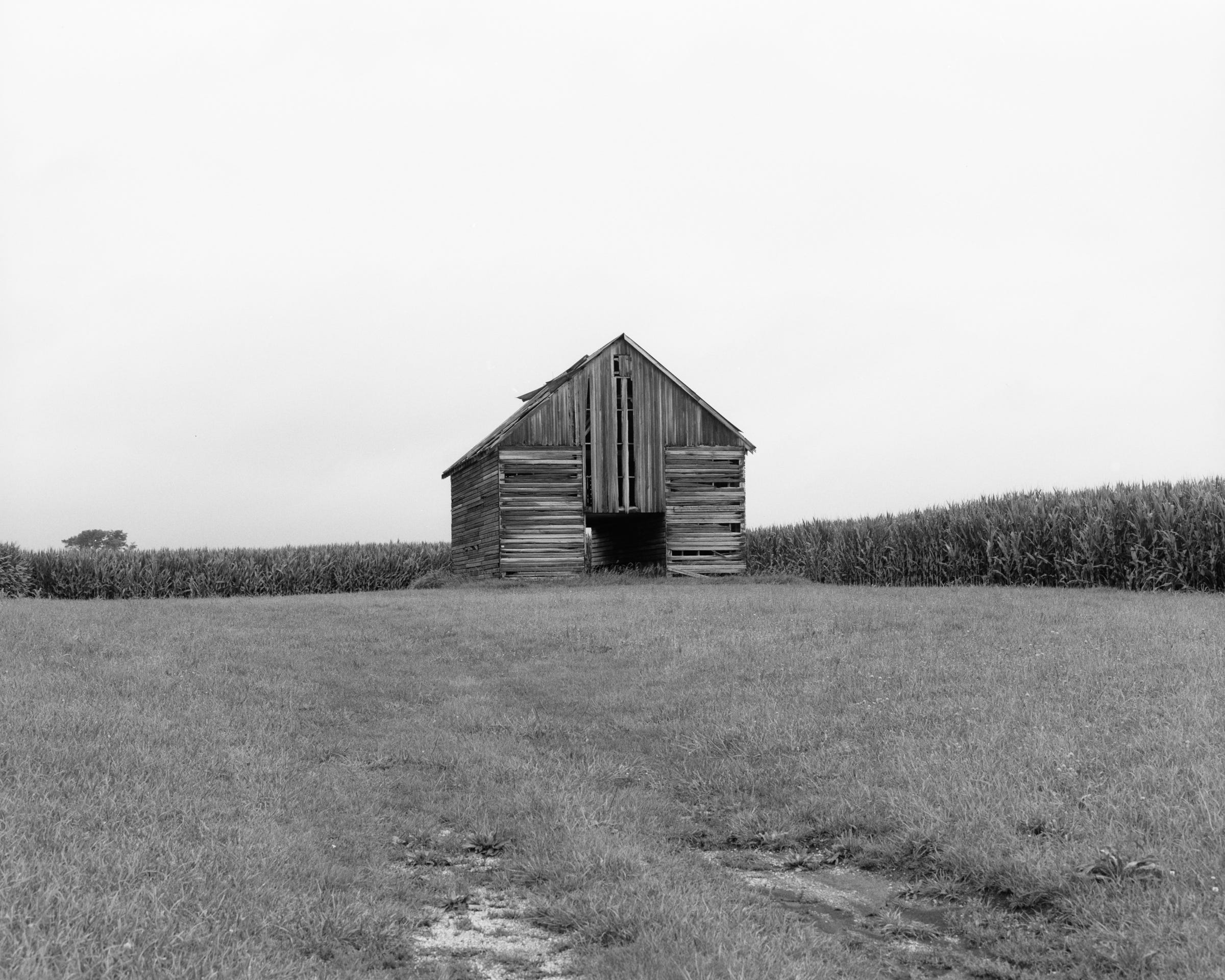
Finally, in 2026, I want to shoot more on film when possible. Film is an annoying expense, but I always feel more connected to the work when I shoot it with my RB67, 4x5, or F3. I’m sure many of you reading this can agree with this sentiment. As for the expense, I thankfully have a small handful of film and a healthy amount of 4x5 stashed away, but my 35mm and 120 film are dwindling or expired. This new year, with one of my resolutions being to practice a “low-buy” year, I will only be buying film as needed. When I run out of my Tri-X 400 or Portra 160, I’ll order a new pack. As I am reaching the end of a pack that I already have, I’ll start setting aside cash to buy the new pack. Then, instead of ordering from B&H or Adorama, I’ll drive over to my nearest camera shop and buy the pack in-person, the way God intended.
Part of shooting film is adding friction to the process. Much of our lives have become increasingly convenient and frictionless, a term that I’m sure you’re tired of hearing by now. Lately, I’ve been buying my groceries with cash instead of card, forcing me to go to the checkout lane with a clerk rather than the self-checkout. I’ve been slowly updating my digital and physical music library so I can get back on my iPod Classic that miraculously still works (this is with the goal of cancelling my Apple Music subscription). I deleted my Amazon account recently, as well, especially after realizing that you can, in fact, check out as a guest on the forest hell store. All of these small changes are ways to re-connect with myself and my community.
By going to the camera shop to buy film, I’m inconveniencing myself in a way that brings me to other people. It makes me support a local establishment rather than a monolithic mega-store that might as well have a monopoly over the photography and video market. The more I see people online doing these same things in life, the better I feel about our culture and society’s progress, even if it feels like the world is crumbling around us. If the world is ending, why not try to get closer with our neighbors, with the artists we admire, with the places we visit, while we’re all still here?
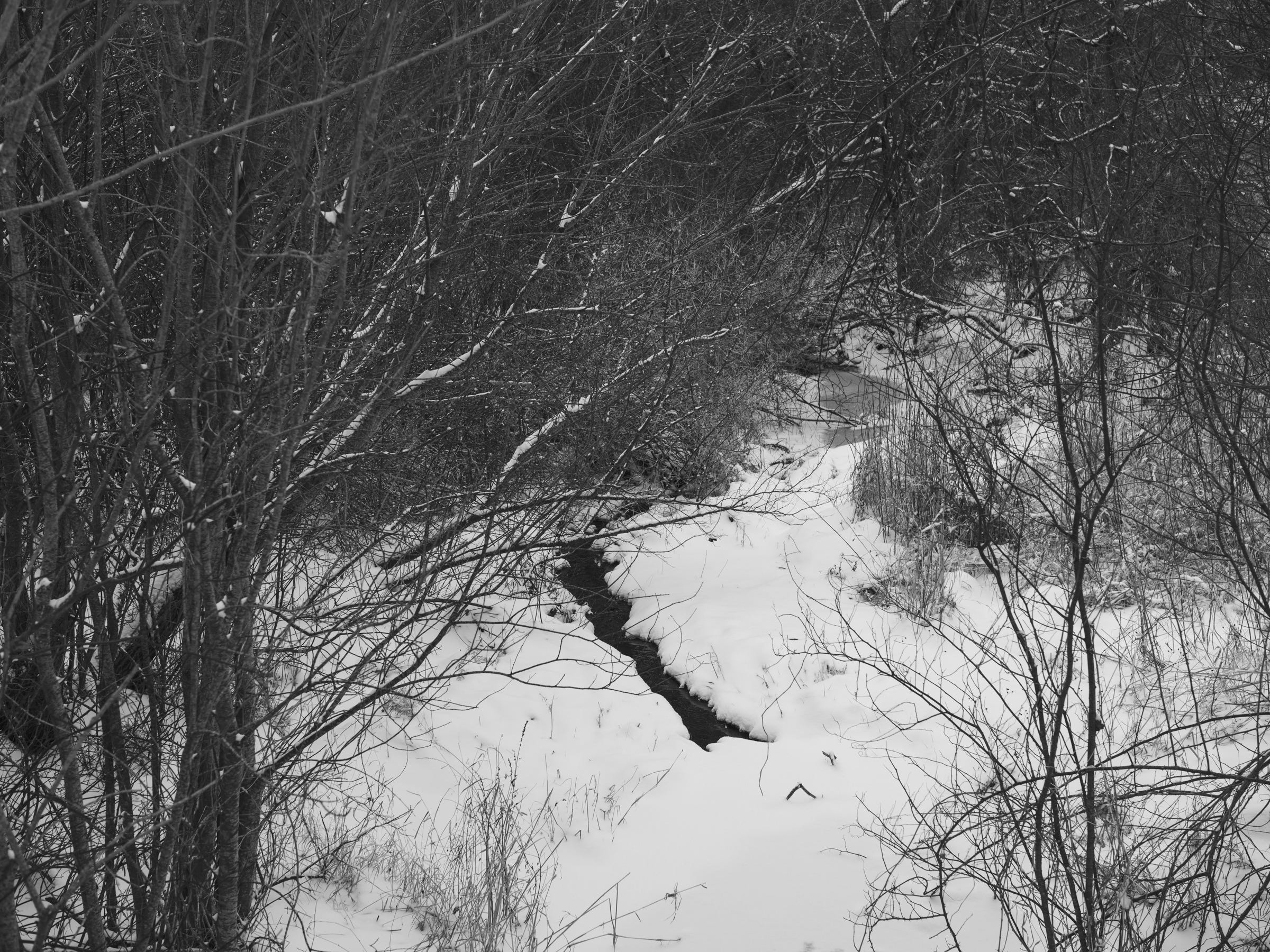
I want to thank you all for spending time reading my rambling thoughts over this year. This Substack has been a great place for me to process things in my practice, share art by others and my own, and to consider how I can make this an educational space for like-minded artists with cameras. In 2026, I want to expand what I do here, perhaps get back into the podcast interviews, and see what more I can do to connect with this community we all love.
Thank you for reading, and I’ll see you in the next one.
Free to read, as always.
Have a happy and safe new year. Here’s to a healthy, productive, and community-focused 2026.
Adding friction is a great idea when we are being pummelled from every side with tools and technology intended to remove friction and make everything we do less effort. Surely if something is worth doing, it's worth putting the effort into, to think about it and to engage with the process. So adding friction on everyday things is a reminder to not do everything at breakneck speed to try and fit more in. Oliver Burkeman writes about 'the pitfalls of convenience' in his book 4000 Weeks. It's a great read if you haven't already read it.
I have always believed in the idea of being a gatherer, and that is what photographers do (well, some anyways): they gather supplies, then eventually take stock, sort out what they have collected, and find ways to make use of those raw materials.
Setting goals is something I avoid, they can be helpful for certain things, but I fnd they get in the way more than they encourage, and in fact in my case discourage me, so I prefer to find my motivation in the perpetual push forward that is life, and recognize when I should let things flow or when I need to step in and force action into a slump to find my way out of it.
Interacting more with humanity, any chance you get, by whatever means gets you there, is something I encourage more than ever.
Happy New Year, Jeff. It has been a pleasure to read your posts and chat with you—all the best, Matt.